Why is the woman’s chair often empty during family celebrations? Discover the emotional journey of African women and cultural heritage preservation as they balance career success with the sacred joy of serving tradition in 2026.
INTRODUCTION
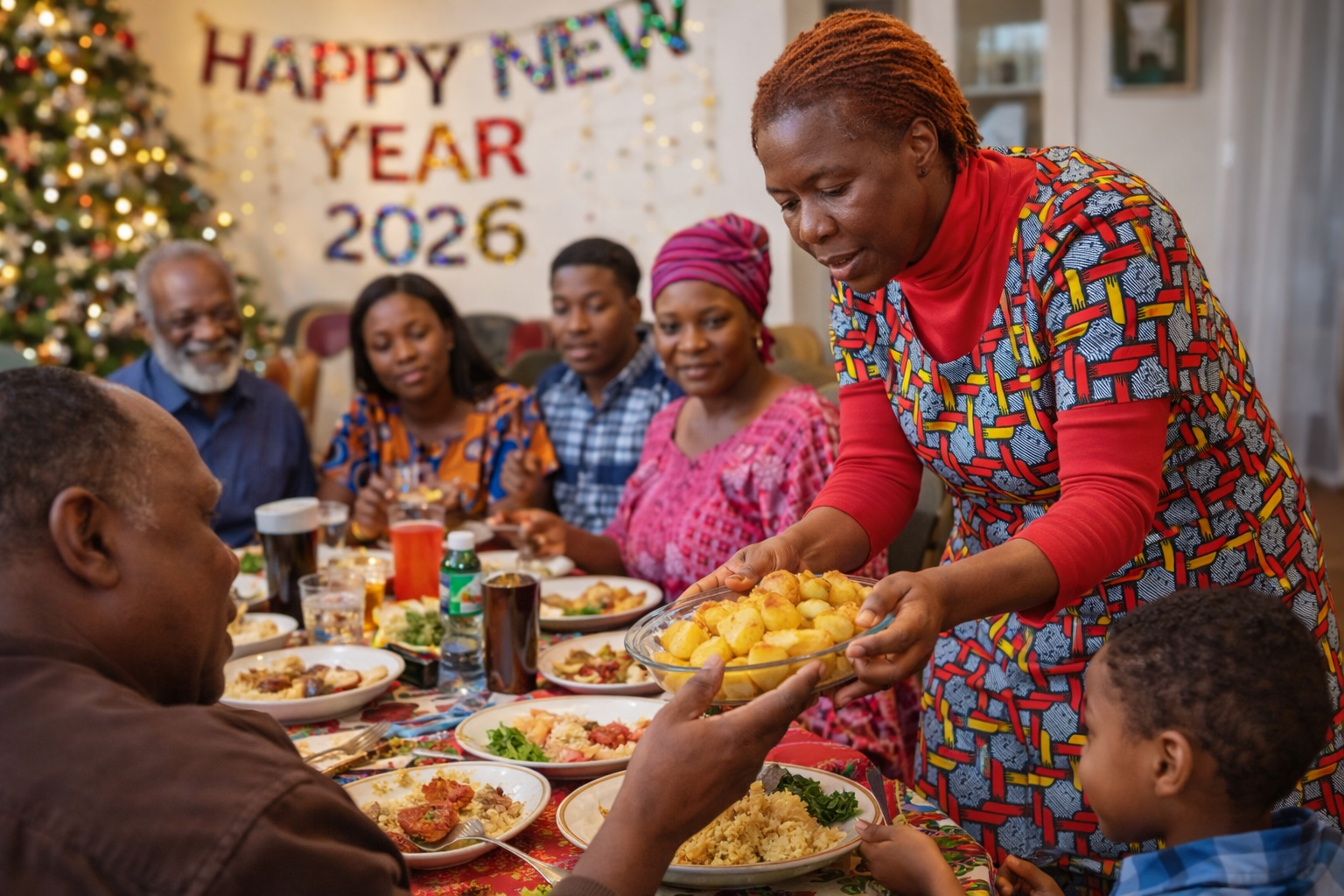
The clock has just struck midnight, ushering in January 1, 2026. Across the hallway, the sound of laughter is rising, and the rhythmic beat of music pulses through the living room. Guests are settling into their seats, plates are being filled, and the New Year is being welcomed with the clinking of glasses.
But if you look closely at the dining table, there is one chair that remains empty.
Table of Contents
It belongs to Sophia, the woman of the house.
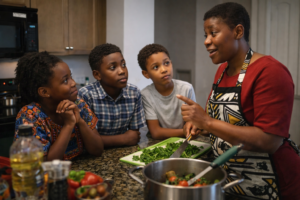
In the kitchen, the steam from Ugali, Pilau rice, indigenous vegetables, Masala tea, goat stew, and Nyama choma, rises like a veil around her. She is checking the seasoning of the stew, ensuring the millet ugali is perfectly cooked, and mentally calculating if there is enough for the unexpected guests who just arrived. Her feet ache from standing, and her blouse—the one she chose so carefully for the celebration—is slightly dampened by the heat from the stove.
She is a senior director, a consultant, or perhaps an educator. She has spent the year smashing glass ceilings and navigating boardrooms. But tonight, she is the “Unsung Architect.” She is the one leaving her seat a dozen times to ensure an elder has water or a child has a clean spoon.
In this quiet, busy dance, we find the true heart of African women and cultural heritage preservation.
The Silent Language of Service: Is it Joy or a Burden?
As she stands by the stove, she might ask herself: Why am I doing this? Why can’t I just sit and be served?
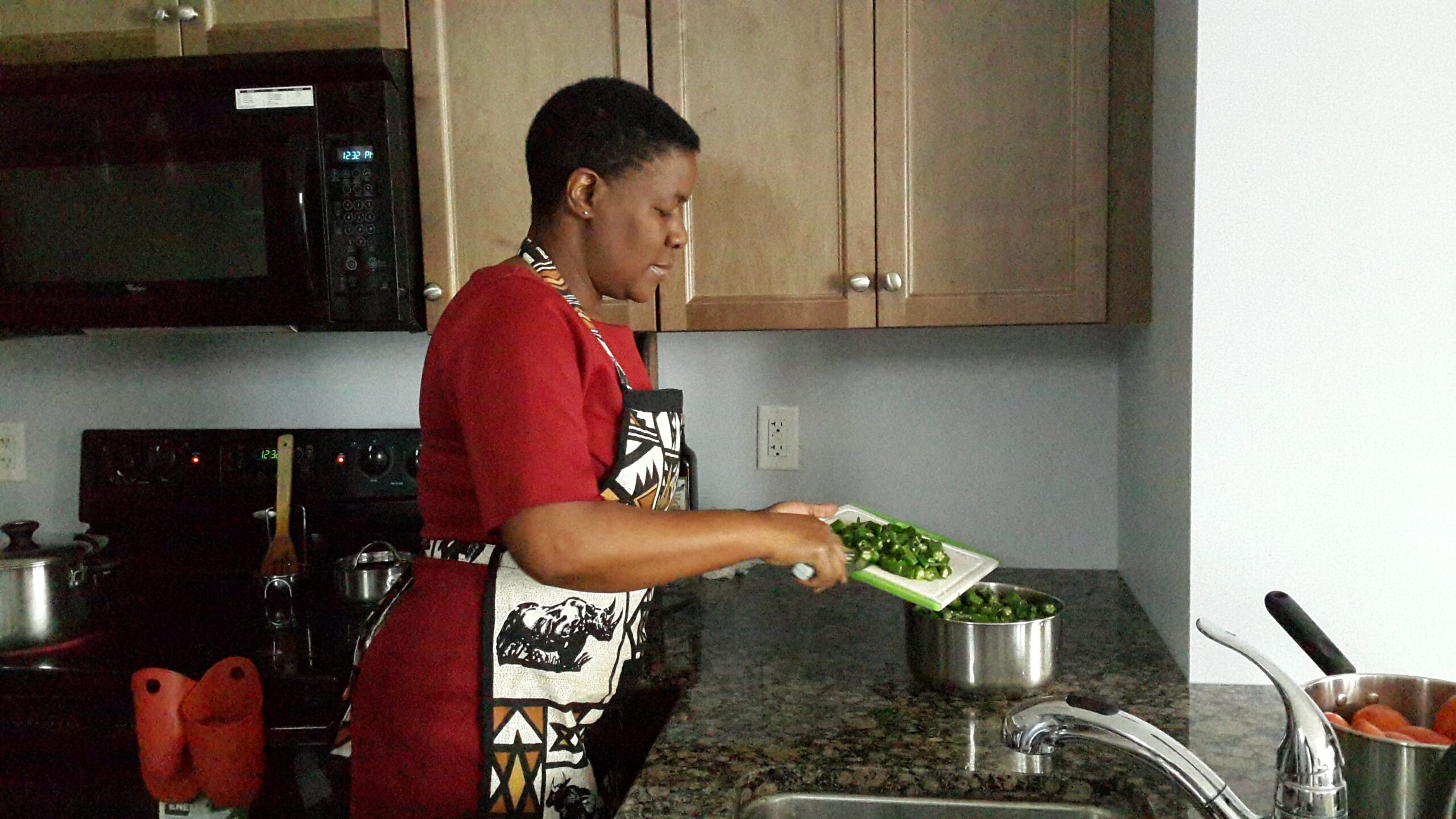
For the modern African woman, the answer is a complex intertwinement of emotion. She isn’t just “cooking”; she is performing a sacred ritual. To her, the perfection of the meal is a testament to her love for her family. If the table is sparse or the traditions are ignored, she feels a profound sense of failure. Not as a professional, but as a daughter of her ancestors.
She finds a quiet, fierce joy in being the one who “knows the way.” She is the custodian of the family’s sensory memory. Without her, the recipes would be lost, the protocols would be forgotten, and the “glue” that holds the family together during the New Year might begin to dry and crack.
African Women and Cultural Heritage Preservation: A View from the Development Field
While this scene feels deeply personal, it is also a subject of immense importance to the global development field. When experts discuss “social capital” and “informal care economies,” they are talking about this woman in the kitchen.
The work she does: the caregiving, the teaching of traditions, the mediation of family ties. This is the foundation of social stability. Development professionals are increasingly recognizing that African women and cultural heritage preservation are not just domestic activities; they are essential to sustainable community growth.
When a woman teaches her children the “why” behind a New Year’s tradition, she is transferring intergenerational knowledge that builds resilience and identity. However, we must also recognize the “Double Life” she leads. She is expected to be a modern leader and a traditional servant-leader simultaneously.
The “Double Vision” of the Modern Woman
In my trilogy, An African Woman’s Journey, I explore this exact tension. Like the protagonist, many of us have traveled far from our origins through education and career. We have gained the world, but we refuse to lose our souls.

We carry a “Double Vision.” We can analyze a complex financial report in the morning and intuitively know exactly how much salt the celebratory stew needs by evening. This isn’t a contradiction; it is our superpower.
But as we usher in 2026, we must ensure this labor is no longer silent.
A New Year Mission: Claim Your Chair
If you are the woman who spent today making everyone else comfortable, I want you to realize that your service is an act of historical preservation. You are the bridge.
Your Mission for January: Before the holiday decorations come down, take a moment to sit in that empty chair. Grab your journal and write down one thing: What is the most beautiful thing about the way your family celebrates? By documenting the meal, the laughter, and even the exhaustion, you are ensuring that your labor isn’t just “housework,” it is a recorded legacy. You are shifting from an overworked host to a Conscious Custodian.
Join the Community of Legacies
This New Year, let us celebrate the women who keep the fires burning.
How can you participate today?
- Share Your Story: Did you feel more “fulfilled” or “overworked” this New Year? Let’s discuss the “silent tension” in the comments section.
- Start Your Archive: Download our Digital Heritage Checklist to help you turn your daily caregiving into a lasting family record.
- Read the Journey: Pick up a copy of The Secret He Never Told Her to see your own struggles and triumphs reflected in a story of heart and heritage.
Shop the Leave a Legacy, Not Regrets Journaling Series, designed for the woman who knows that her story is the most important gift she will ever give.
Because in 2026, your chair at the table is earned, and your story is essential.