

Explore the invisible work of African women in fulfilling the back-to-school logistics. Discover the lived reality of balancing career with village traditions and the demands of the schools opening season.
Introduction
The steam from the New Year’s Pilau rice has finally settled, and the last of the guests have departed. For the modern African woman, the high of a successful celebration—where she served as the chief hostess, the cultural bridge, and the culinary architect—is often met not with a nap, but with a new set of logistics.
If you were to look at her LinkedIn profile, you’d see a professional leader ready to conquer 2026. But if you look into her living room this week, you see a woman who is the command center of a massive family migration.
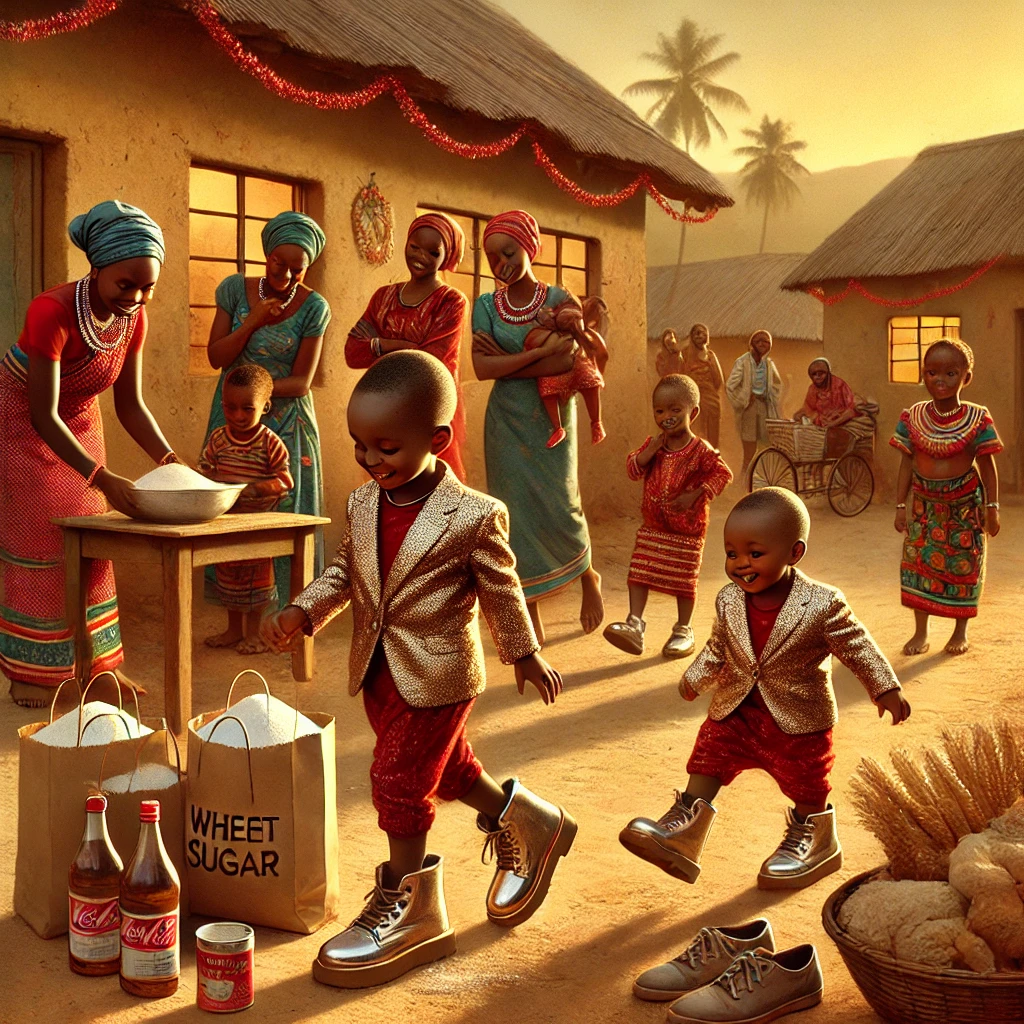
Table of Contents
The Great Migration: From the Village to the City
For many of us, the start of January isn’t spent in a boardroom; it’s spent in a dusty rural compound or a holiday rental, packing the “essence” of the family into suitcases. While the rest of the family might be lounging or reminiscing about the festivities, the woman of the house is performing a mental inventory:
- Did the youngest pack his phone charger? * Are the traditional spices from Grandma safely wrapped in the basket?
- Is everyone’s heart settled?
She is the one ensuring the children say their respectful goodbyes to the elders. She is the one navigating the delicate “silent tension” of the village gate—balancing the heavy requests for financial help with the reality of her own January budget. She whispers a soft, “I will try my best” to an aunt or a cousin. She carries the weight of the community’s expectations on her shoulders as she drives away.
Transitioning from the Hearth to the Classroom
Back in the city, the “Double Role” intensifies. If the house help is delayed in their own rural to city travels, the professional woman swaps her blazer for an apron. She cleans, she buys groceries, and she begins the grueling circuit that defines African women’s back-to-school cultural logistics.
While her husband may have already reported back to his place of employment, the woman of the house often extends her leave. She understands that the transition from holiday freedom to her children’s academic discipline requires a specific type of management:
- The Book-List Marathon: Lining up at crowded bookstores to ensure no school item is forgotten.
- The Uniform Fit: Dragging the children along to fit blazers, trousers, and skirts, knowing that “bringing the wrong size” is a time-tax she cannot afford.
She will only report back to her professional job once the last lunchbox is packed. Only then does she feel “free” to return to the executive role the world recognizes.
Why Documentation Matters for the Modern Custodian
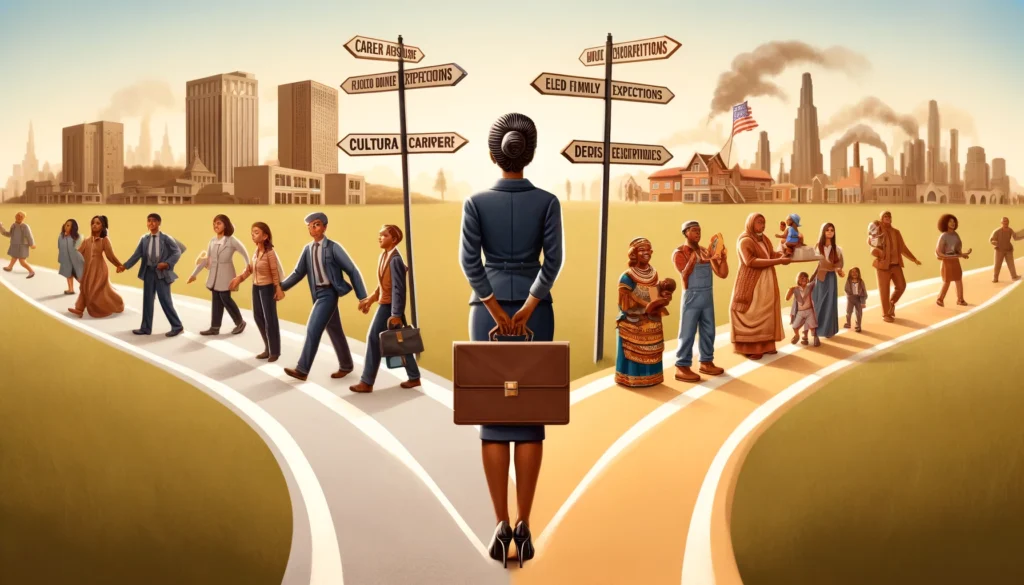
There is a unique type of exhaustion in this “Third World” of motherhood. The world between the village and the boardroom. It is a period of Time Poverty, where her leadership skills are used for logistics rather than profit. Yet, documenting these moments is how we preserve the story of the modern African woman.
Reflecting on the invisible work of African women: back-to-school logistics
Does this transition sound familiar? The struggle to bridge the gap between rural roots and city school runs is a story many of us carry quietly.
Explore the back to school story in my book, The Mother with Wrong Shoes: A Small-Town Tale of Back-to-School Struggles and One Magical Pair of Shoes. We dive into the emotional landscape of a mother navigating these exact hurdles, that’s before you add the poverty she lives in. It is a tale of resilience, the pressure of expectations, and the magic that happens when we finally find our footing.
Click here to to get the eBook or Audio Book.
Join the Conversation: What is the most challenging part of your back-to-school logistics this year? Share your stories in the comments below.
