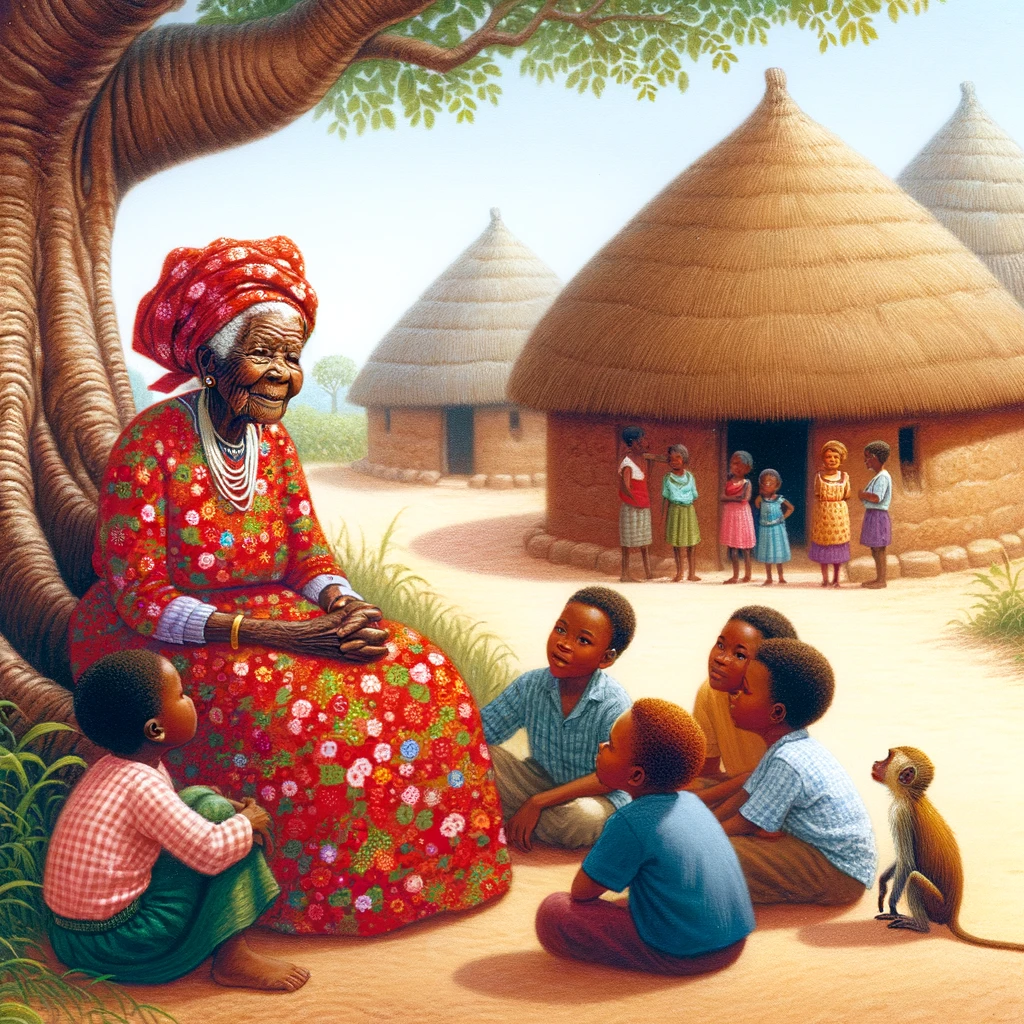
Why are women often the keepers of family history? Explore the vital role of women and cultural heritage preservation, as primary caregivers, and the unsung architects of our family stories.
Women and Cultural Heritage Preservation
In our last blog, we lingered in the kitchen, discussing how food acts as a sensory archive of our past. We talked about the flavors that remind us of home and the recipes that act as historical documents. But if we look closely at that picture of the family kitchen, we must ask the most important question: Who is standing at the stove?
Table of Contents
More often than not, it is a woman: a mother, a grandmother, an auntie, or an older sister.
While we often trace lineage through fathers, inheriting their names and tracing their migrations, the emotional glue and the intricate web of our family stories are almost always held in the hearts and hands of women. To truly understand our identity, we must recognize that the work of women and cultural heritage preservation is not just a domestic duty; it is the primary way our history is built and kept alive. Women are not just participants in the family; they are its primary architects and custodians.
What is the Role of Women in Cultural Heritage Preservation in the Modern Home?
It is often said that when an old woman dies, a library burns to the ground. Why is this so profoundly true?
It is not necessarily because women have better memories than men. It is because of their proximity to the daily rhythms of life. In many cultures, particularly across Africa, women have traditionally been the procreators and the primary caregivers. They are the ones present for the first breath of a child and often the ones holding hands during the last breath of an elder.
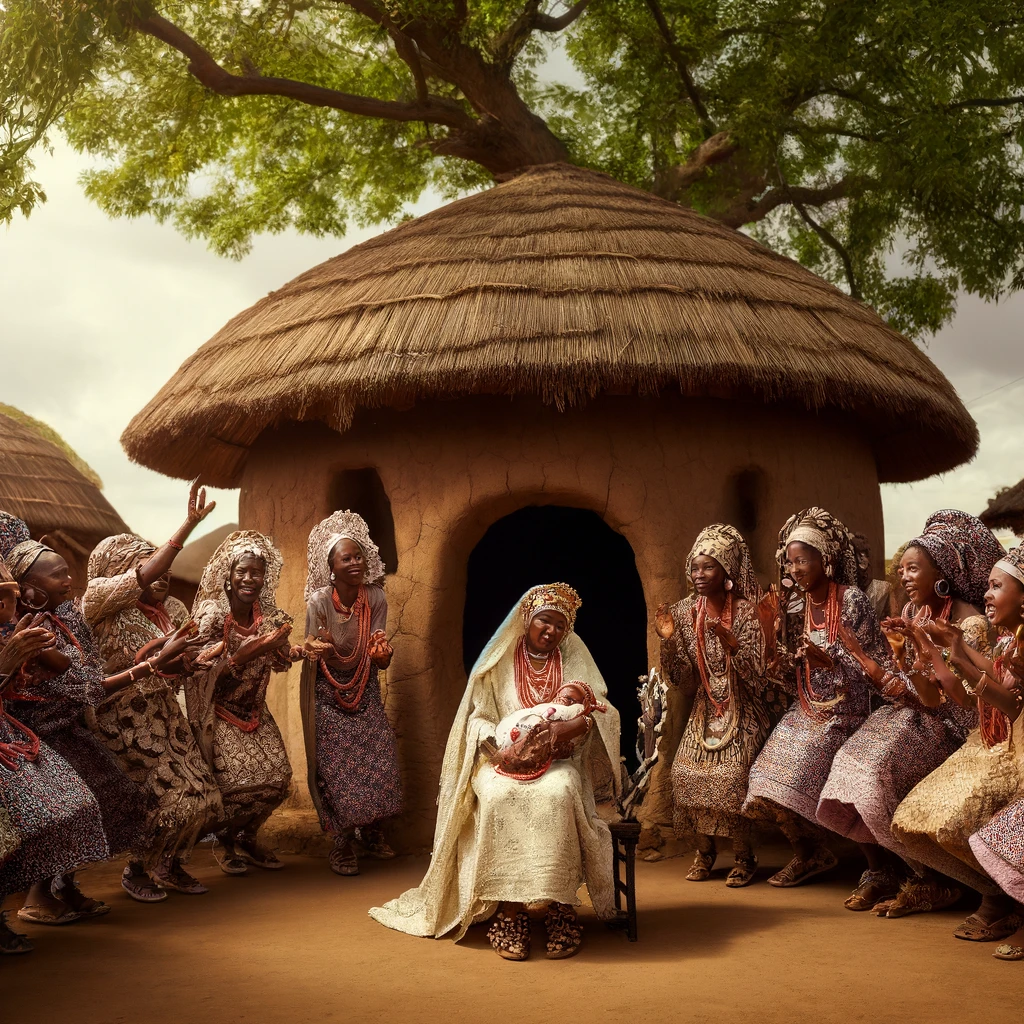
Because they are present for the intricate, messy, daily details of life, they become the accidental archivists of the family.
How Women Act as the “Walking Libraries” of Family History
- Through Language and Song: It is usually the mother or grandmother who teaches a child their first words in their mother tongue, sings the traditional lullabies, and tells the bedtime stories that contain moral lessons.
- Through the “Division of Labor”: As we discussed in previous posts, the kitchen is a hub of social history. By managing the food, women also manage the family’s health, celebrate its triumphs, and soothe its sorrows. They know exactly which meal to cook when money is scarce, and which feast to prepare when a prodigal son or daughter returns.
- Through Emotional Intelligence: Women often hold the “soft” information that doesn’t make it into official records—who secretly loved whom, why two branches of the family stopped speaking, or the real reason an ancestor left their village.
These are not just domestic details; they are the foundational pillars of our cultural heritage.
The Modern African Woman’s Journey: Balancing Career Success and Cultural Expectations
Today, the role of the African woman is shifting rapidly. She is no longer just in the kitchen or on the farm. She is in the boardroom, the university lecture hall, and the operating room. She is highly educated and ambitious.
Yet, despite these professional strides, society still largely expects her to remain the primary custodian of tradition. When she returns home from a high-pressure job, she is still expected to know how to prepare the traditional meal, comfort the children, and remember the cultural protocols for the upcoming family gathering.

This creates a profound, often silent, tension.
How do modern women balance careers with cultural expectations?
This is one of the great unrecorded stories of our time. These women are carrying a double burden, but they are also possessing a “double vision.” They understand the ancient ways of their mothers, and they understand the modern world of their careers.
Their stories are incredibly rich because they are navigating the complex intersection of identity, progress, and tradition every single day. Their lives are living proof of resilience.
Author’s Note:
This delicate balance between career ambitions and cultural roots is the heartbeat of my fiction series, An African Woman’s Journey. These stories explore the triumphs and silent struggles of women walking this very path.
Why Is Documenting Women’s Stories Essential for the Future?
For centuries, women’s labor—both physical and emotional—has been taken for granted. Because it happened inside the home, it was seen as “duty” rather than “history.”
We know what our grandfathers did for a living. But do we know what our grandmothers dreamed of? We know where they lived, but do we know how they managed to keep the family together during times of war, famine, or migration?
If we do not intentionally ask these questions, the nuanced, vibrant history held by these women will disappear. Documenting a woman’s narrative is an act of validating her contribution to the family heritage.
A Simple Journaling Exercise: The Invisible Labor
You don’t need to conduct a formal interview to begin preserving this history. Start by observing or recalling the “invisible” work of a woman in your life.
Try this today:
Think of the primary female caregiver in your life (your mother, grandmother, or a mother figure). Write down the answers to these three questions in your journal:
- Beyond cooking and cleaning, what emotional work did she do to keep the peace in the family? (Did she mediate fights? Did she comfort those who were hurting?)
- What is one traditional skill or piece of cultural knowledge she possesses that she hasn’t taught anyone else yet?
- If you could ask her about a dream she had before she became a wife or mother, what do you think she would say?
A Call to Honour the Architects
The structure of our family history rests on the shoulders of the women who came before us. They are the keepers of the secrets, the chefs of our comfort foods, and the first teachers of our names.
Don’t let their stories remain silent.
Your mission before the next post: Identify the oldest woman in your family line who is still accessible to you. Call her. You don’t need a grand agenda. Just ask her, “Mama, tell me about a day in your life when you were my age.” Then, just listen.
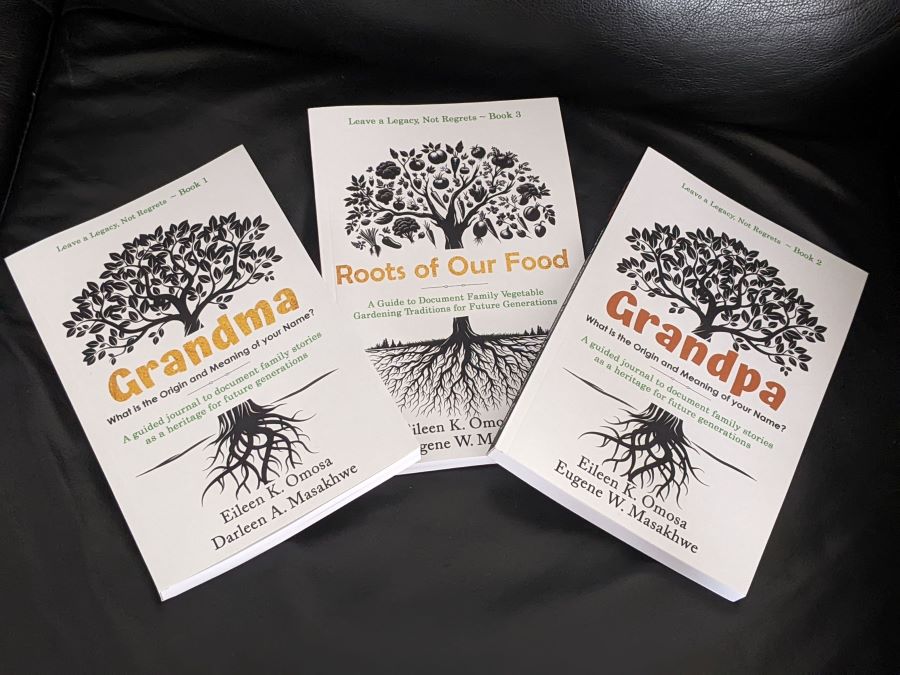
Are you ready to honour the women in your family? Click to explore our Leave a Legacy, Not Regrets journaling series, designed to help you capture these vital stories before they fade.