Introduction
Your name is more than a label; it’s the key to Unlocking Your Culture and Identity. Discover how naming traditions shape your identity and learn how documenting your name’s story can preserve your family stories for future generations.
In my last post, I left you with a simple but powerful mission: Find out the origin and meaning of your name.
Did you do it?
Table of Contents
Unlocking Your Culture and Identity
If you did, you may have discovered something surprising—that your name isn’t just a word people use to get your attention. It is a gift. A prayer. A memory. Sometimes, it is even a historical record.
In many cultures—especially across Africa—a name is the very first chapter of a person’s life story. It carries context, intention, and the emotional and social world your parents and community were navigating when you were born.
When we begin to understand why we were named, we begin to understand our identity more deeply. We start to glimpse the world our parents were walking through at the time of our birth. Slowly, we begin to hear the quiet echoes of our heritage, woven into the very sounds people use to call our name.
Why are naming traditions important? The Weight of a Name
In many of our traditions, children are not named randomly. Names are not chosen simply because they “sound nice” or happen to be fashionable at the time. Instead, names often carry “news.” They hold memory. They speak to the past, interpret the present, and point toward the future.
A name is a powerful social tool, one that anchors a child firmly within their family, community, and history.
1. Names as Cultural Time Stamps
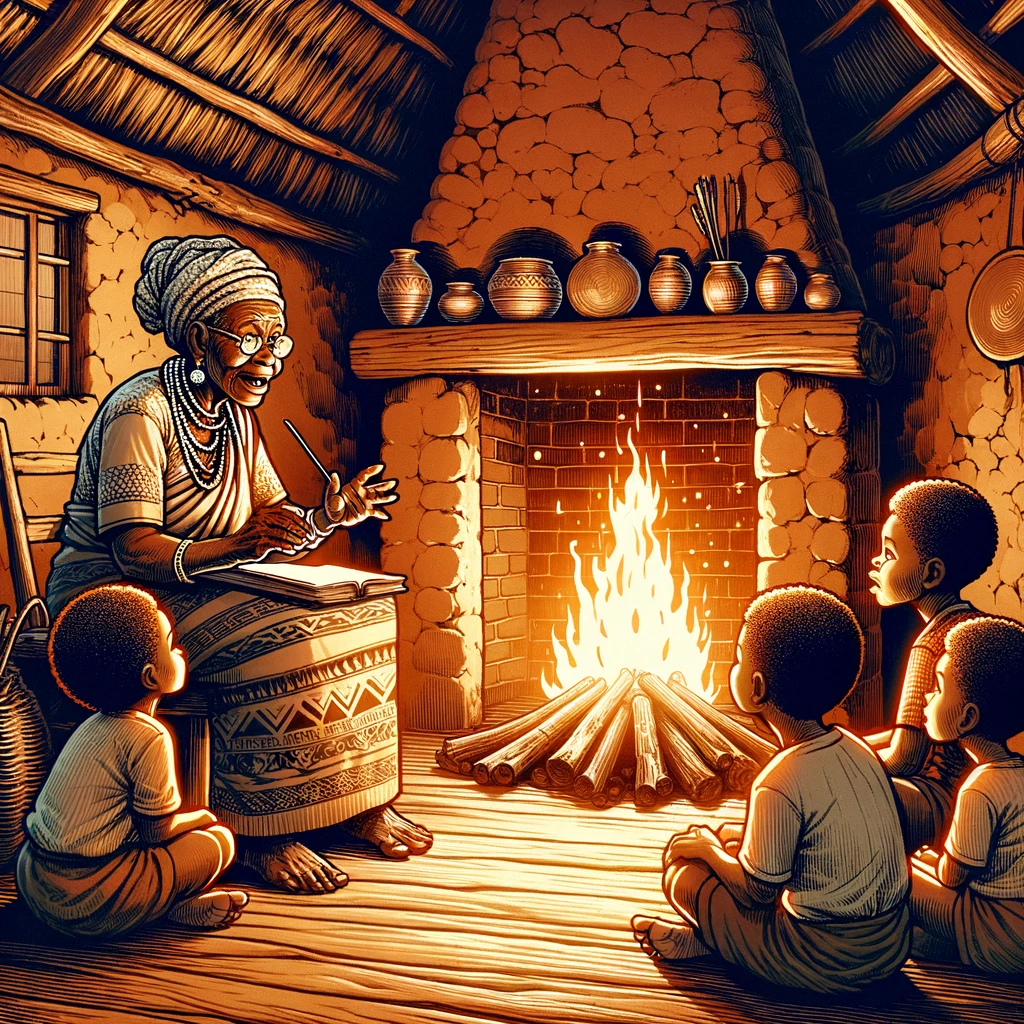
Some names function almost like a calendar. You may be named for the time of day you were born—at the first light of dawn, under the midday sun, or in the deep stillness of the night. Others reflect the season: the long rains, a time of planting, a season of harvest, or even a prolonged drought.
Still, others capture what was happening in the wider community at the time. Perhaps a family member had just stepped into a leadership position, or a rite of passage had marked the transition of children into adulthood. These names quietly record the atmosphere of the world on the day you took your first breath.
2. Names as Ancestral Links
Many of us carry the names of grandparents, great-grandparents, or beloved aunties and uncles. This is far more than a symbolic gesture; it is a deliberate act of family continuity.
When you answer to that name, you are carrying forward the memory, character, and social footprint of someone who came before you. In this way, you become a living bridge, connecting generations past to generations yet to come. It ensures that the family’s heritage stays active and alive.
3. Names as Prayers and Prophecies
Some names tell deeply emotional family stories. For example, some names tell of long journeys to’ conception, of prayers whispered through seasons of loss, or of the immense gratitude overflowing when a child finally arrived.
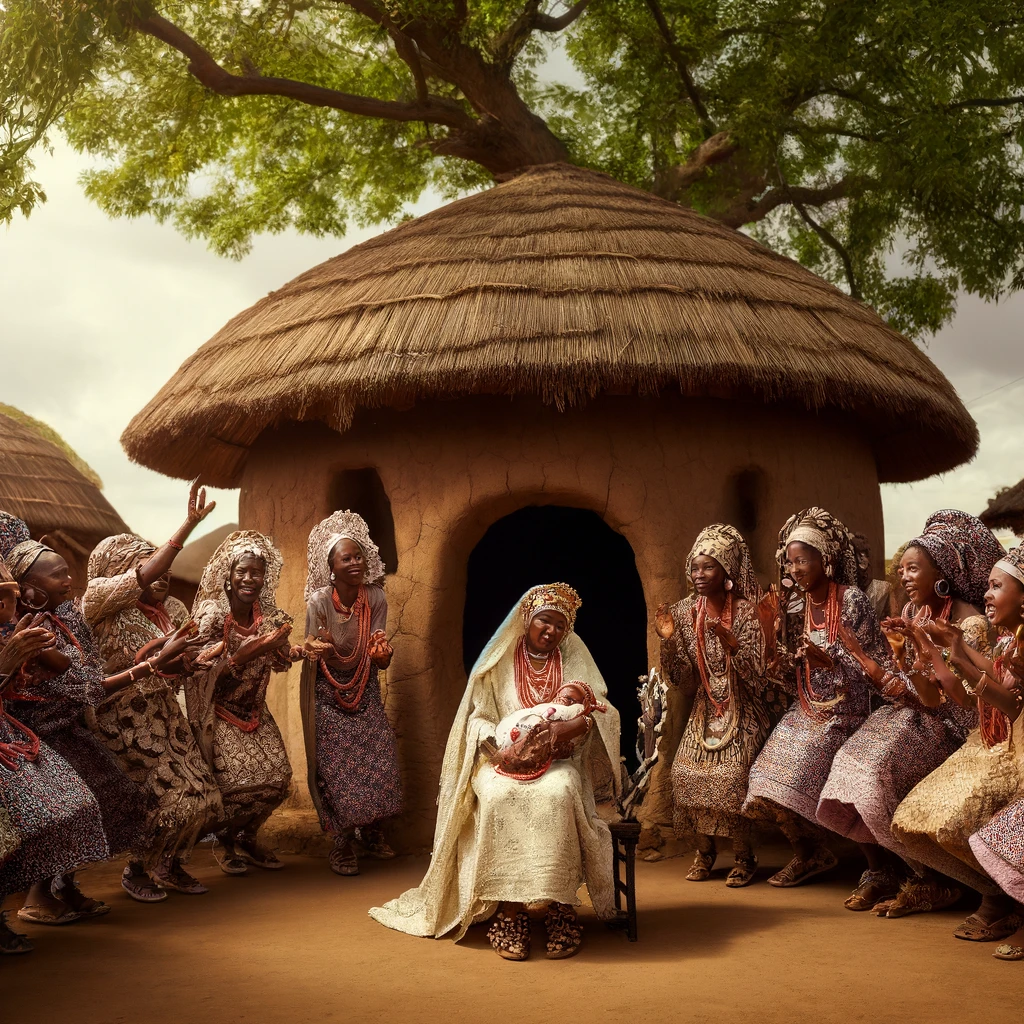
These names hold faith, endurance, and hope. They are daily reminders of the resilience of those who came before us and the love that surrounded our arrival.
Why Documenting the “Why” of Your Name Matters
Knowing the literal meaning of your name is a beautiful beginning. But if you want to answer the question, “How do I preserve my family history?”, the real depth lives in the why and the how.
To truly understand your identity, you must ask:
- Who chose your name—and why them?
- Was there a debate or a consensus among the elders?
- Was there a specific naming ceremony involved?
- Who else in the family carried this name, and what kind of life did they live?
When these details go undocumented, a name slowly loses its richness. It becomes just a word, stripped of its social and emotional context. Writing down the story of your name captures the relationships, values, and family dynamics at a very specific moment in history.
In an era where families are increasingly scattered across cities, countries and continents, these stories are especially vulnerable. Without intentional documentation, younger generations—particularly those raised in the diaspora—are often left to piece together their heritage with missing pages.
The “Walking Library” and the Knowledge Gap
There is a saying many of us know well: When an elder dies without sharing their knowledge, a library burns down. This is profoundly true when it comes to names.
Each of us is a “walking library,” carrying within us condensed knowledge about our family, our community, and our identity as it existed at a particular point in time. When that knowledge isn’t shared or recorded, it disappears quietly. Documenting name stories allows grandmothers, grandfathers, and parents to pass on the very essence of who they are.
A Simple Guided Journaling Exercise to Start Today
You don’t need to be a professional writer or a historian to do this work. The goal is not perfection; it is preservation.
Take a piece of paper, find a quiet place, and open your favorite journaling book. Try and answer these three simple questions:
- What is the literal meaning of my name? (Start with the language and the translation.)
- Who gave me this name, and what was happening in the world when I was born? (Was it a time of peace? A harvest? A time of big changes?)
- Is there anyone else in my family history who had this name? (What traits did they have that people see in you today?)
If you don’t know the answers, let this be your invitation to ask. Call an auntie. Sit with a parent. Listen to an elder. You may be surprised by how much joy your curiosity brings them. The festive season is here, and as families gather, stories naturally surface. There is no better time for these conversations.
Making Your Story a Living Legacy
As you begin uncovering these stories, remember that this is “living work.” What you document today becomes an anchor for generations to come.
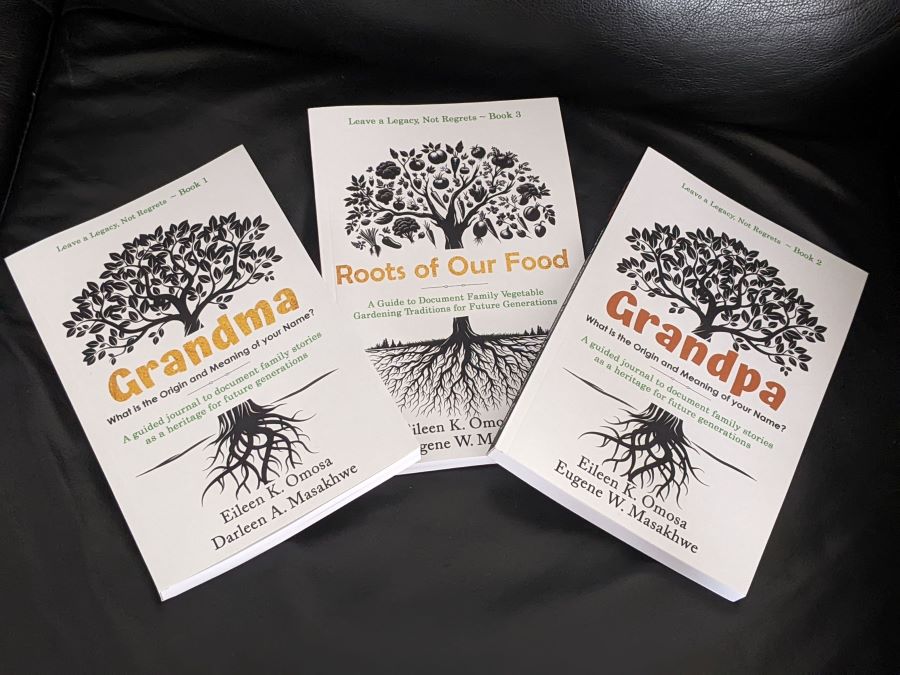
This is why I co-created the journal, Grandma, What Is the Origin and Meaning of Your Name? (there’s one for Grandpa as well). These memory books feature over 100 heartfelt prompts to explore names, life experiences, and traditions. They are the perfect gift for parents and grandparents, helping them share the family stories only they can tell before those stories fade.
What’s Next?
Documenting your name is often the first, and most powerful step in legacy preservation.
In upcoming posts, we will explore African women’s journeys more deeply. We will reflect on the social relations within our homes and how our roles—as daughters, wives, mothers, workers, and caregivers—shape the stories we inherit and the ones we leave behind.
You are warmly invited to join the conversation:
- Share the meaning of your name in the comments below.
- Tell us about the person you were named after.
- Return for more reflections and tools on documenting your heritage.
Your mission for the next blog: Look through your old photos. Find one image of a family meal or a kitchen scene—no matter how old or blurry. Notice what was being cooked. Remember who was present. That, too, is a story waiting to be told.
Until next time, remember this: The story behind your name is a gift that only you can give.
Click here to explore the “Leave a Legacy, Not Regrets” journaling series, including the “Grandma, What Is the Origin and Meaning of Your Name?” memory book.