
.
Discover how Preserving Family Food Heritage in the kitchen works. Learn why documenting recipes and food memories is essential for protecting your culture, identity, and women’s stories across generations.

Table of Contents
The Taste of a Memory: More Than Just Ingredients
Have you ever walked past a kitchen and been stopped in your tracks by a specific scent? Perhaps it was the earthy aroma of traditional vegetables or the sharp, sweet smell of frying onions. In an instant, you aren’t just standing in a hallway; you are seven years old again, sitting on a low stool, watching your grandmother’s hands move with a rhythm that you liked to call Grandma’s magic.
Before we learn our full names, we learn the stories of our people through what we eat. We “taste” our heritage long before we can even utter our first word.
If you were asked to describe your childhood, a kitchen scene would likely appear. The sound of a mortar and pestle, the heat of the hearth, or the specific way your mother corrected your seasoning: “Add a little more, until it smells right” “Until it thickens” These are not just chores; they are the heartbeat of our culture, our identity.
How Food Shapes Personal Identity and Family Belonging
Food is a sensory time machine. You might forget a cousin’s birthday or the year a house was built, but the body rarely forgets the “flavour” of home.
How does food preserve family heritage? It does so by living in our senses. We remember:
• The “hero” of the kitchen: the person whose food made everyone feel safe.
• The “lesson” hidden in the meal: how we were taught patience while waiting for a slow-cooked stew.
• The “comfort” of a dish: what was served to us when we were sick or heartbroken.
Why Traditional Family Recipes Are Considered “sacred” knowledge”
In many African homes, recipes weren’t written in books; they were written in the air through demonstration. Measurements were based on the wisdom of the hand:
• Add until the water looks right.
• Stop when the aroma reaches the door.
When we don’t document these “hand-me-down” methods, we don’t just lose a recipe; we lose a cultural knowledge system. We lose the secret language shared between generations of women who knew exactly how to nourish a family during a long drought or a festive harvest.
What Kitchen Stories Reveal About Family History, Gender Roles, and Social Life
The kitchen is a window into the division of labor and gender roles of our ancestors. To understand your heritage, look at the “human map” of the kitchen:
• Who held the authority over the fireplace?
• What secrets were whispered over the preparation of a wedding feast?
• How did the women of your family use food as a tool of care, power, or resilience?
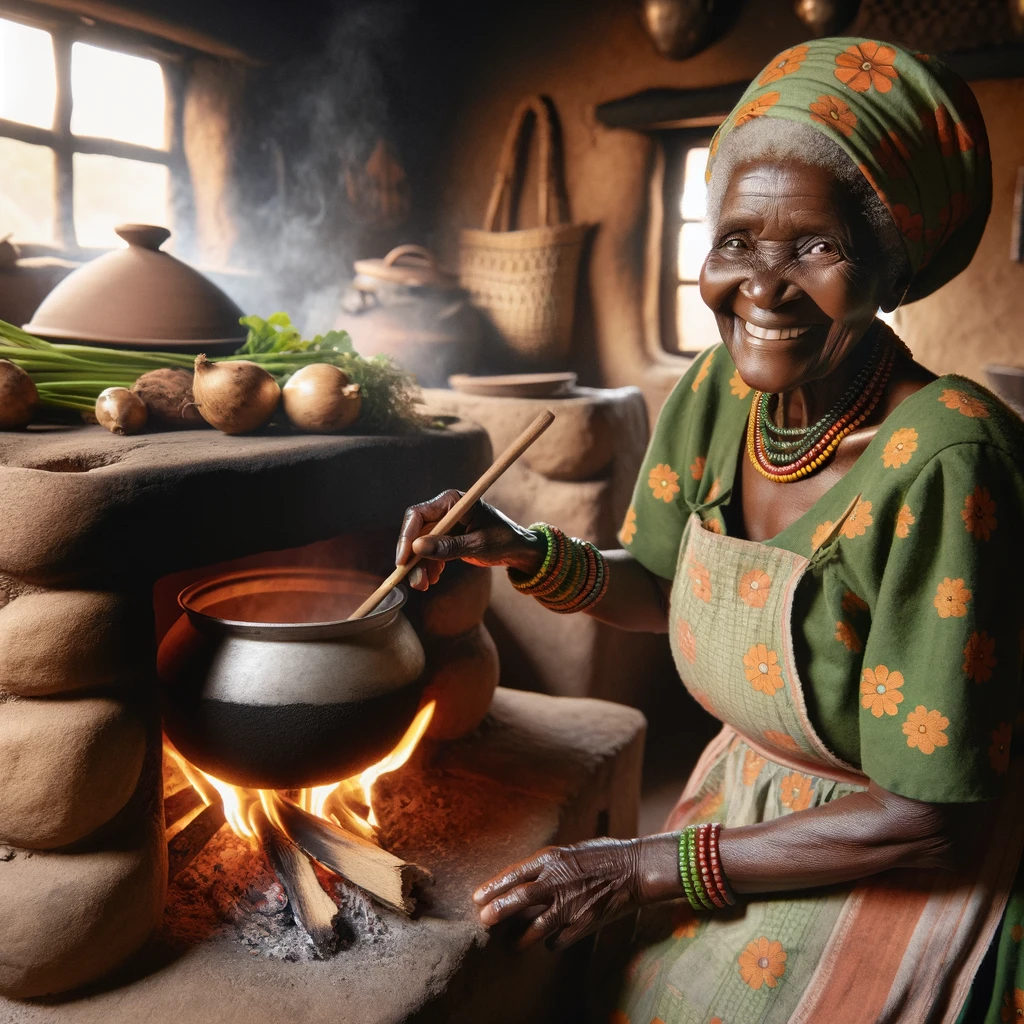
When we document food stories, we finally name the labour of the women who came before us. We recognize that their “daily work” was actually a profound act of legacy preservation.
The Heartbreak of a Lost Family Food Heritage
We all know the story: there is a specific dish that only one relative can make perfectly. It’s the one everyone asks for at homecomings, or a wedding, or during the naming of a newborn. But often, when that person passes away, the dish starts to fade with them.
This is how family archives fade. It’s not that we didn’t love the food; it’s that we assumed we would always have time to ask, “Grandma, how did you make it taste like that?” Documenting these stories is how we stop our family libraries from “burning down” when an elder leaves us.
Food as a Cultural Anchor for Families in the Diaspora
For those raised far from their ancestral lands, food is often the most tangible link to their identity. For a child in London, Toronto, or Nairobi, a traditional meal is:
• Their first “hug” from a heritage they’ve only heard about.
• A way to feel close to a grandfather they may have only met through a screen.
• A “safe space” where they belong, regardless of where they are in the world.
A Human-Interest Writing Exercise: The Person Behind the Plate
Instead of writing down a list of ingredients today, I invite you to write down the person.
- Pick one dish from your childhood.
- Describe the hands that made it. Were they calloused? Were they quick? Did they wear specific rings?
- What was that person’s “signature”? Did they always hum while cooking? Did they always make sure the youngest, or the oldest ate first?
If that person is still with you, call them today. Don’t just ask for the recipe—ask, “Who taught you how to do this, and what were you thinking about when you cooked for us?” You might be surprised by the family stories that spill out.
What We Are Preserving Together Through Food Stories
In this series, we aren’t just writing a blog; we are building a bridge. We will continue to explore:
• Cooking as an act of love and caregiving.
• The kitchen as a classroom for cultural values.
• How food shapes our identity and our expectations of one another.
A Gentle Invitation to Preserving Family Food Heritage
This blog is not asking you to become a chef or a historian.
It is inviting you to notice.
To notice the stories simmering quietly in your family kitchens.
To notice whose hands shaped your earliest food memories.
To notice that what fed you also formed you.
You are welcome here to:
- Reflect
- Remember
- Write imperfectly
- Return often
Your mission before the next post:
Find one family recipe, or even just a remembered dish, and write down who taught it, when it was cooked, and what it meant or still means.
That, too, is a story worth saving.
Preserve your kitchen legacy today with our, Roots of Our Food, a gardening and food memory journal.

Read the previous related blog posts here: The Quiet Cost of Untold Family Stories
