How do modern African women balance career success with cultural expectations? Explore the modern African woman’s journey through Sophia’s story of work, family, and the vital role of women and cultural heritage preservation.
Table of Contents
Sophia Wakes Up to Two Worlds Before Breakfast
Sophia’s alarm rings at 5:30 a.m. By 6:15, she is dressed in a crisp blouse, mentally rehearsing a presentation she will deliver later that morning. One that could influence funding decisions, promotions, and her professional reputation.
But before she steps out of the house, she pauses. The boiling tea needs checking. Her son’s lunch must be packed. Her mother’s voice echoes in her head: “Remember, guests are coming this weekend. We must prepare properly.”
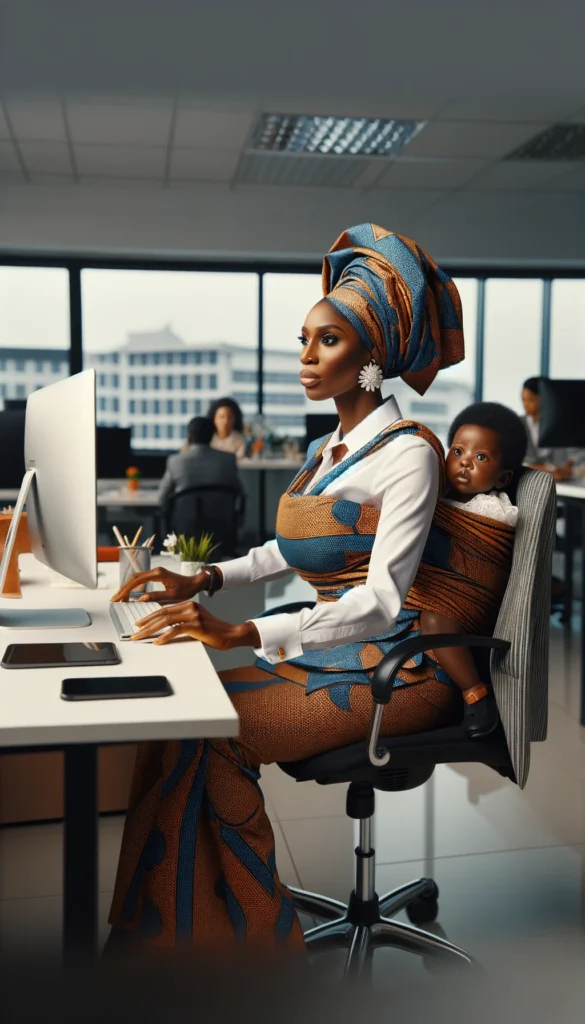
Sophia moves seamlessly between emails and food ingredients, deadlines and domestic memory. This is her daily reality. She is a modern African woman who is highly educated, ambitious, and capable. This balance of the boardroom and family life defines the life of the modern African woman.
How the Modern African Woman Balances Career and Culture
Sophia grew up in a rural village where women’s work was visible, constant, and rarely named. She left that village with a scholarship, a suitcase, and a promise to herself: I will build a different life.
And she did:
University. Graduate school. A respected career.
Yet no degree prepared her for the emotional negotiation that came next.
Because success did not erase expectation. At work, Sophia is decisive and strategic. At home, she is still expected to remember:
- How meals should be prepared for elders.
- Which aunt must be consulted before family decisions.
- How to raise children “properly” according to tradition.
- Which cultural practices must never be forgotten.
While her male colleagues go home to rest; Sophia goes home to continue.
The Quiet Tension of the Double Burden
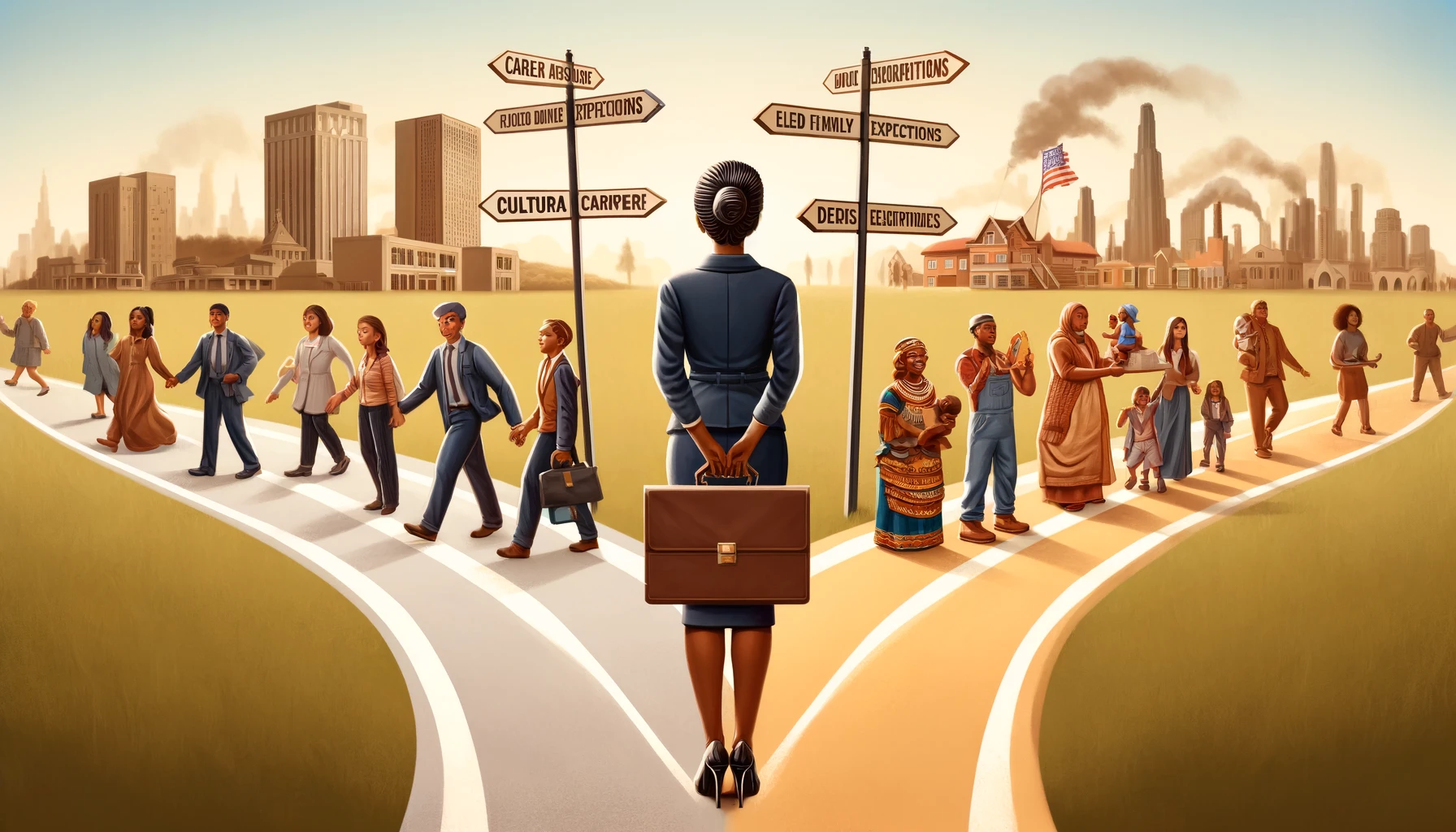
No one ever told Sophia she had to choose. But no one ever told her she didn’t. So, she learned to carry both worlds, often silently.
At office gatherings, she downplays family obligations. At family gatherings, she minimizes work stress.
She is praised for being “strong,” yet rarely asked how tired she is.
And still, she shows up. Because Sophia understands something deeply ingrained in many African families: When culture shifts, women are expected to hold it steady.
Why Women are the Custodians of Cultural Heritage
Sophia notices something over time. When stories are needed, people turn to women. When traditions must be explained, women remember. When children ask, “Why do we do it this way?” Women answer.Through caregiving, cooking, and emotional labor, women become the unofficial historians of the family. Part of the modern African woman’s journey is realizing that while men may inherit land, women inherit memory.
Sophia carries:
- Birth stories
- Marriage negotiations.
- Family conflicts and reconciliations.
- Recipes that are never written down.
- Lessons taught through everyday routines.
Finding a Way to Hold Both Truths
One evening, exhausted, Sophia sits at her kitchen table and writes. Not an email. Not a report, but a memory.
Sophia writes about her grandmother’s kitchen. About the way stories surfaced while food simmered. About how love was expressed through service, not speeches.
She realizes something important: Preserving culture does not mean sacrificing herself. Documenting stories does not require carrying them alone.
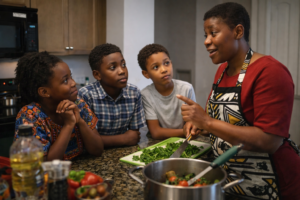
By writing, Sophia begins to transform burdens into legacy. She starts asking questions, recording conversations, and inviting her children into the kitchen—not just to help, but to listen.
Slowly, the weight lifts.
Why Sophia’s Story Is Also Yours
Sophia’s journey mirrors that of countless women across Nairobi, Toronto, London, Johannesburg, and beyond.
Women who are:
- Educated yet culturally accountable.
- Independent yet deeply connected.
- Modern yet expected to preserve tradition.
They are living in what feels like two timelines at once, asking:
- How do I honor tradition without losing myself?
- How do I pass on heritage without carrying it alone?
Sophia’s answer is not perfection; it is intentional documentation.
A Gentle Truth, and an Invitation
Culture does not survive through memory alone; it survives through sharing. When women document their stories—through journals, conversations, and writing—they shift from silent carriers to conscious preservers. They stop being the only ones who remember.
They begin to build bridges.
Your Invitation: If Sophia’s story feels familiar, this space is for you. In the coming posts, we will continue to explore:
- Modern African women’s journeys across education, work, and family life.
- How caregiving becomes a form of cultural preservation.
- Why documenting family stories protects heritage across generations.
Your next step: Write down one story you carry that no one has ever asked you about. That story matters, and it deserves to be preserved.
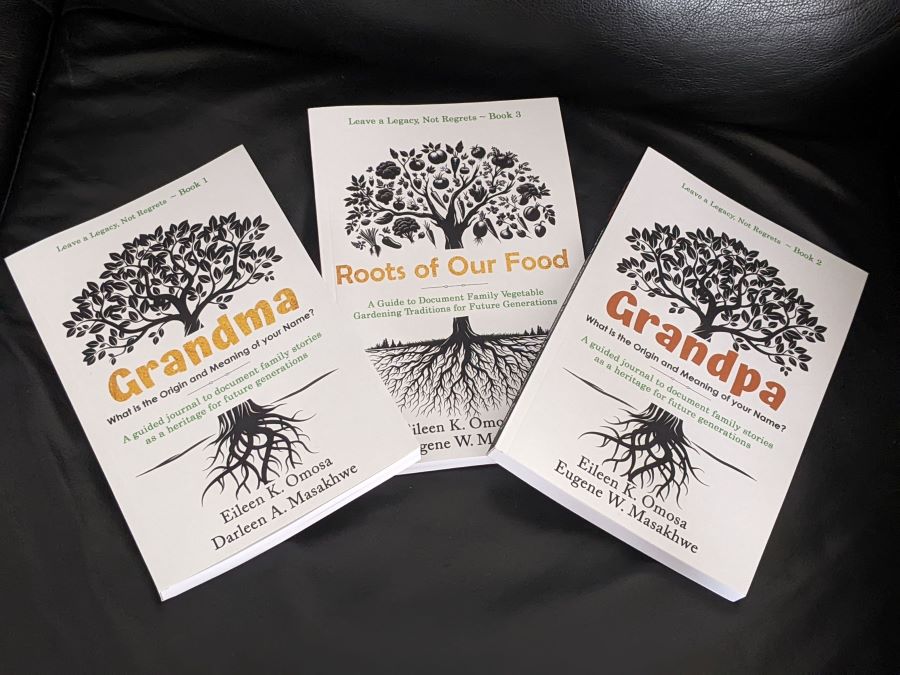
Explore the Leave a Legacy, Not Regrets” journaling series, created to help women like Sophia document the family stories, traditions, and heritage only they carry. And, read, An African Woman’s Journey trilogy to witness as Sophia travels through the world of marriage, motherhood and community member. Can she balance the two worlds, without sacrificing one?